Why Your Trail Shoes Lose Grip Halfway Through a Muddy Run
Quick Answer: Mud packing into the spaces between shoe lugs progressively fills the tread’s gripping surface, effectively smoothing it out over the course of a muddy run, shoes with wider lug spacing and softer, self-cleaning rubber compounds resist this mud-packing effect significantly better than shoes with tightly spaced lugs, regardless of how deep the lugs start out.
The shoes gripped fine on the first muddy section. By the third, you’re sliding on ground that looked identical to the first, and the shoes themselves haven’t changed, what’s packed into them has.
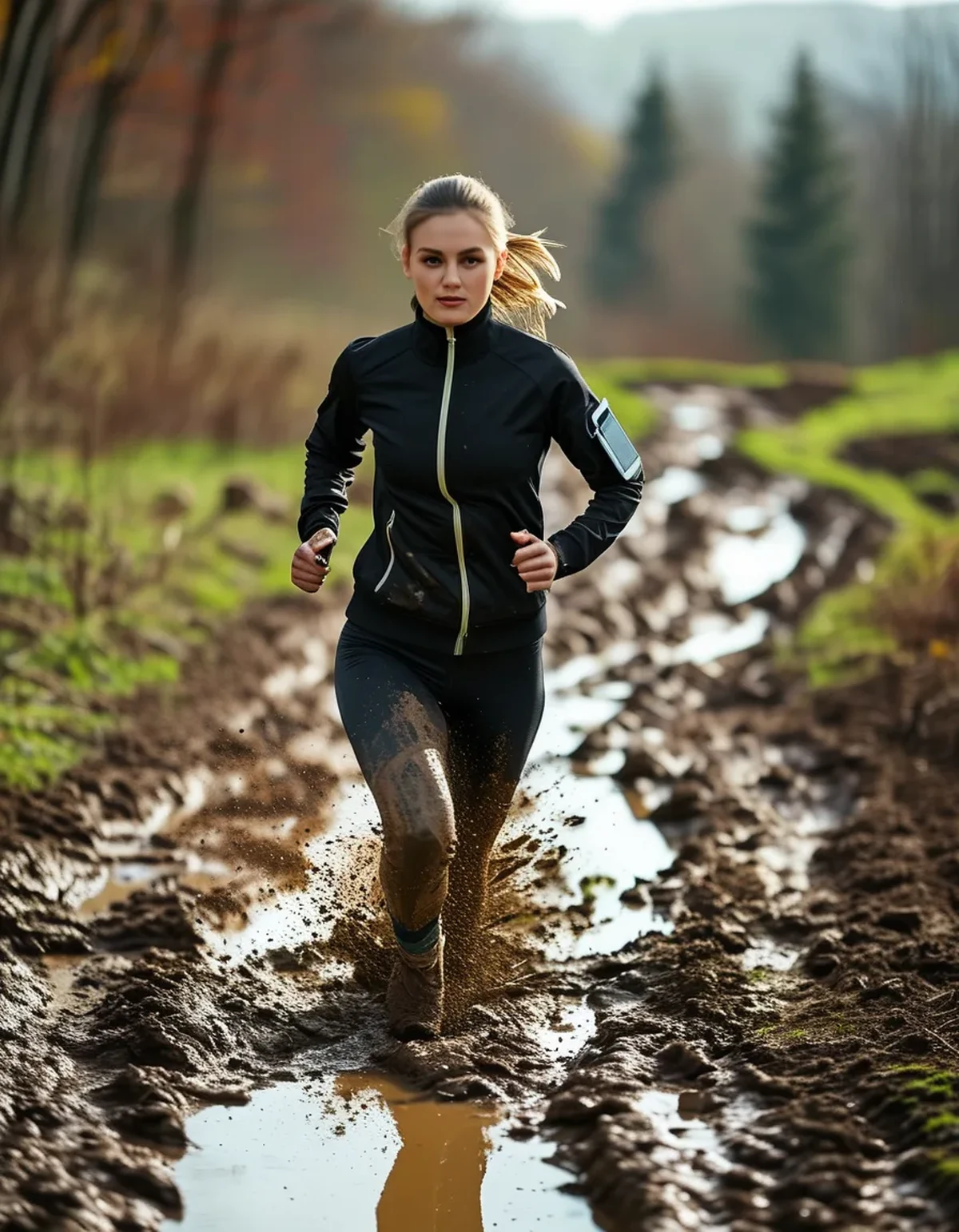
Why would lug depth alone not guarantee grip through an entire muddy run?
Lugs create grip by biting into terrain and displacing loose material, but that only works while the spaces between lugs stay open. As mud packs into those gaps, the tread surface becomes progressively smoother and less able to grip, regardless of how deep the original lugs were, a shoe with impressively deep lugs but tightly packed spacing can actually clog faster than a shoe with shallower but more widely spaced lugs.
What shoe design features actually resist this mud-packing effect?
Wider spacing between individual lugs allows mud to shed more easily as you run, rather than accumulating and compacting in tight gaps. Softer rubber compounds also flex more with each stride, which helps dislodge packed material through repeated flexing in a way stiffer rubber doesn’t, making both lug spacing and rubber softness meaningful factors beyond just lug depth alone.
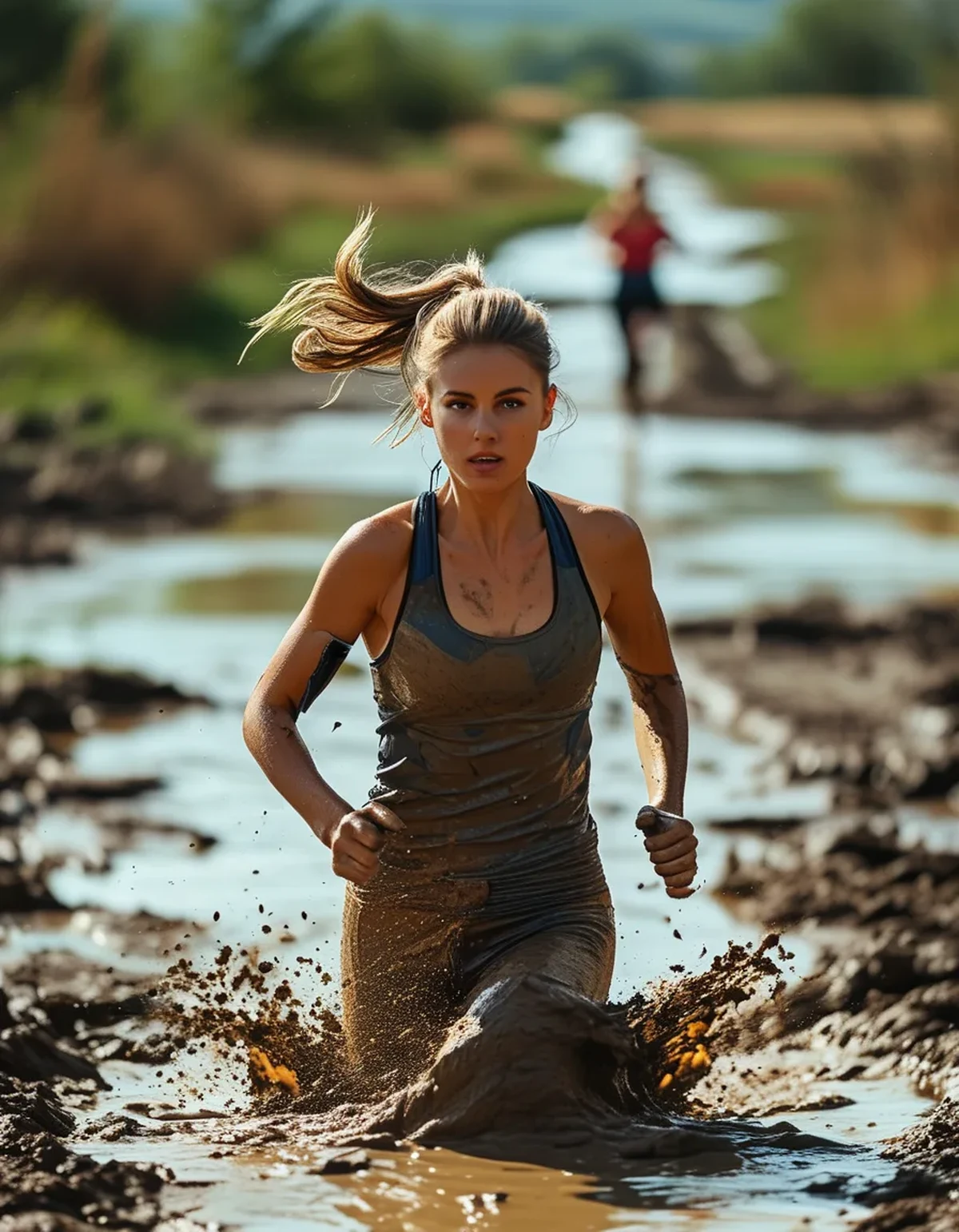
Is there anything you can do mid-run to restore grip once mud has packed in?
Deliberately running through a shallow stream crossing or stomping firmly on a hard rock surface, when the trail offers one, can dislodge some packed mud and temporarily restore grip, though it’s a partial fix rather than a full reset. This is a genuinely useful trick experienced trail runners use rather than just tolerating reduced grip for the rest of a muddy section.
What Nobody Tells You About Choosing Shoes for Consistently Muddy Trails
Here’s something worth knowing before buying trail shoes specifically for muddy conditions: shoes marketed primarily for dry, rocky trail running often prioritize lug depth and durability over wide spacing and rubber softness, since those two priorities work somewhat against each other, a shoe genuinely optimized for mud looks different from one optimized for rocky terrain, even within the same brand’s trail running lineup.
FAQ: Trail Shoe Grip in Mud, Answered
Should I clean my shoes between muddy runs, or does it not matter?
It matters over time, dried, caked mud can slightly stiffen the rubber and reduce flex, so a rinse after a muddy run helps maintain grip performance long-term.
Do trail running poles help compensate for reduced shoe grip in mud?
Somewhat, poles add stability and can reduce reliance on foot traction alone, though they don’t replace the underlying grip issue.
Is it worth having two pairs of trail shoes, one for mud and one for dry terrain?
Many frequent trail runners find this genuinely worthwhile, since the two conditions favor different, sometimes conflicting, tread designs.
TL;DR:
- Mud packing into lug gaps, not lug depth alone, is what progressively reduces grip through a muddy run
- Wider lug spacing and softer rubber compounds resist mud-packing better than deep, tightly spaced lugs
- Running through a stream crossing or stomping on rock can partially dislodge packed mud mid-run
- Shoes optimized for mud specifically differ from those optimized for dry, rocky terrain
If grip loss mid-run has been a recurring issue, check your shoes’ lug spacing next time you shop, a wider-spaced, softer-compound design built specifically for mud often outperforms a deeper-lugged shoe designed primarily for dry terrain.
Keep Reading
This article is for general informational and styling purposes only. Fit, sizing, and product availability may vary.