Do You Actually Need Trail Running Poles, or Is It Just Trend?
Quick Answer: Trail running poles genuinely help on sustained steep climbs (generally over 15-20% grade) and technical descents by transferring some load to the arms and improving stability, but they add more hassle than benefit on flatter or moderately rolling trails where hands are better left free.
Poles have gone from a niche ultramarathon tool to a fairly mainstream trail running accessory, which has blurred the line between when they genuinely help and when they’re just an extra thing to carry.
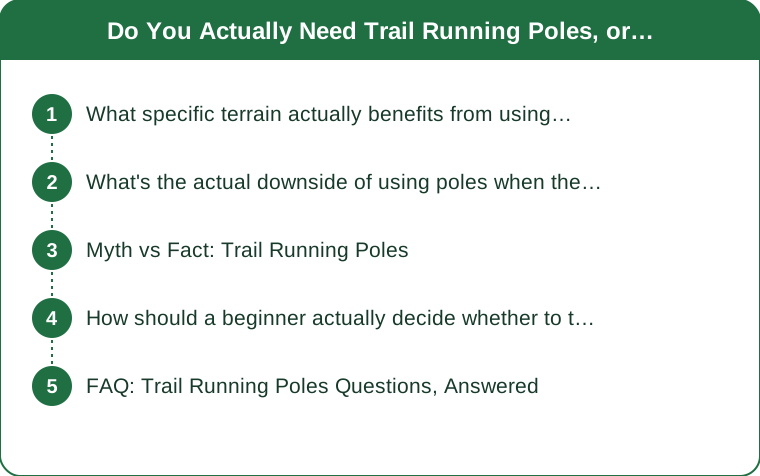
What specific terrain actually benefits from using poles?
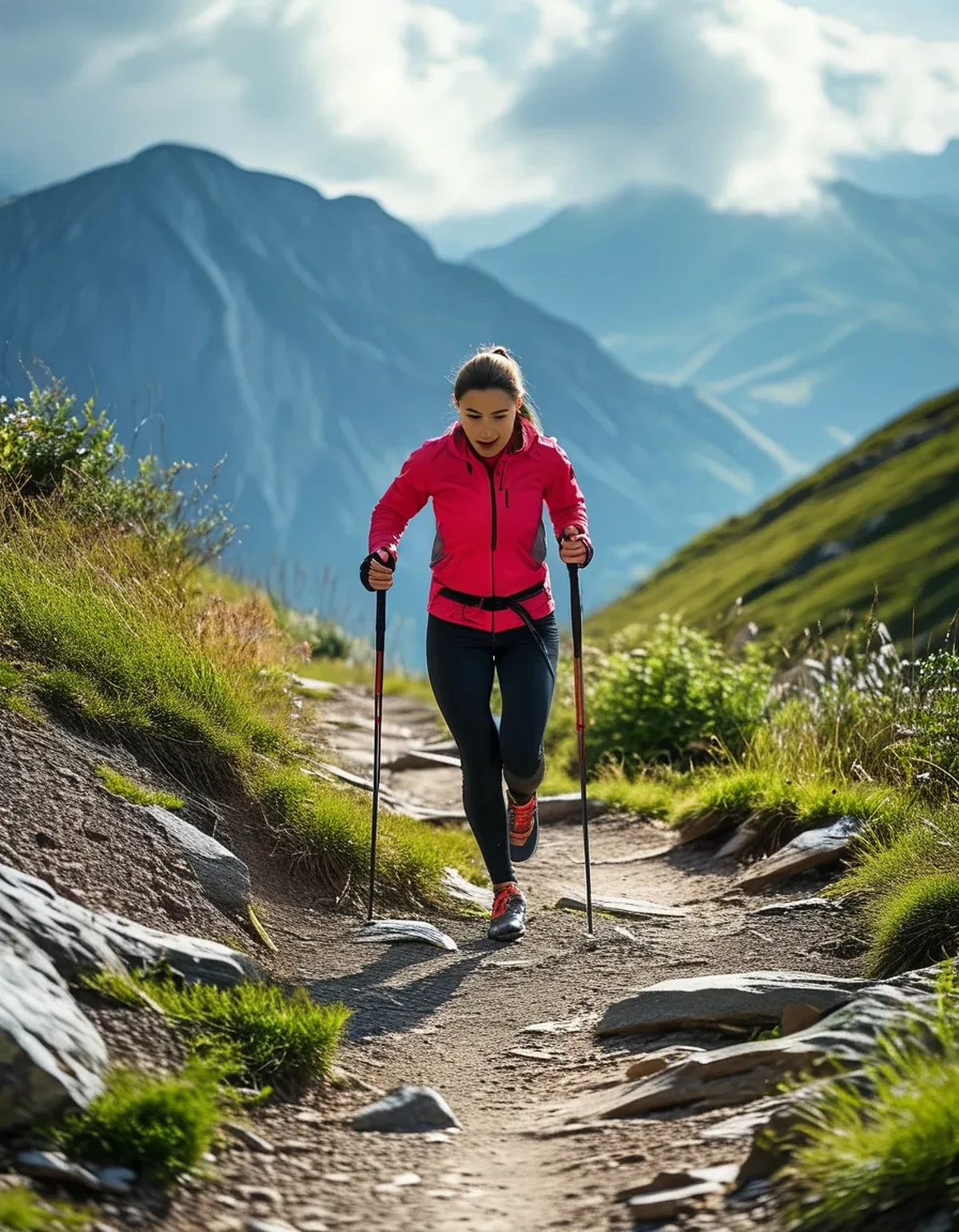
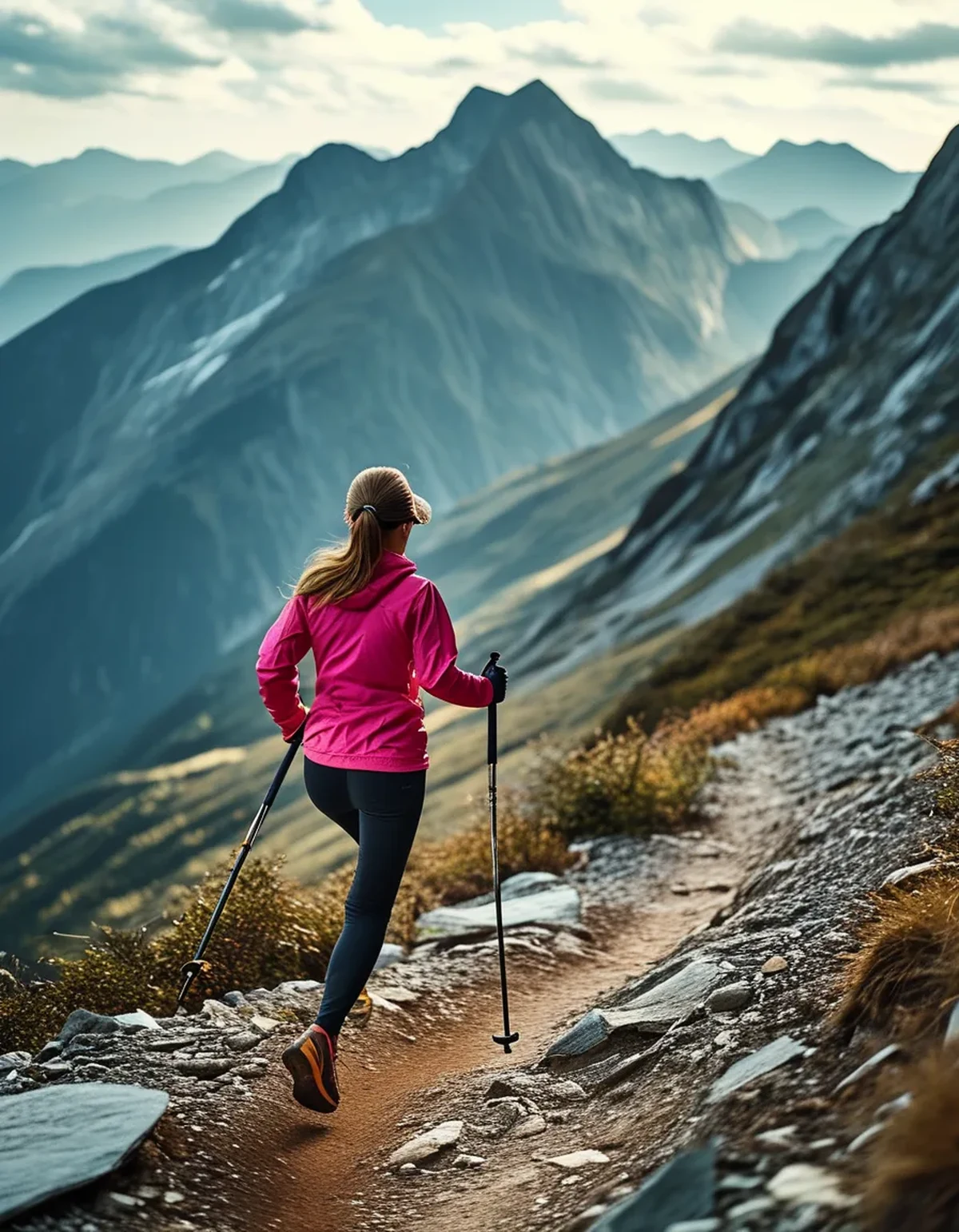
Sustained steep climbs, generally above roughly 15-20% grade held for an extended distance, are where poles show the clearest benefit, since they let you engage your arms and upper body to share load with tired legs, directly reducing perceived exertion on long ascents. Technical, loose, or steep descents also benefit from poles’ stability contribution, reducing fall risk on terrain where a single misstep has real consequences.
Outside these specific conditions, the benefit drops off considerably relative to the tradeoff of carrying and managing them.
What’s the actual downside of using poles when the terrain doesn’t call for them?
On flat or gently rolling trail sections, poles occupy your hands, add a rhythm-disrupting motion to your running form, and require stowing (usually on a running vest) when not actively climbing or descending, which is its own minor hassle repeated many times over a long run. Runners who haven’t practiced pole technique specifically can also find poles create more instability than they resolve, especially at faster paces on non-technical ground.
This is why experienced pole users tend to deploy them situationally rather than carrying them out constantly for an entire run.
Myth vs Fact: Trail Running Poles
Myth: Poles are primarily for older or less fit runners who need extra support. Fact: Elite ultramarathon runners use poles strategically on steep terrain specifically because of the genuine physiological load-sharing benefit, not as a fitness crutch.
Myth: If poles help on climbs, using them the entire run maximizes the benefit. Fact: Poles add drag and disrupt running rhythm on flat terrain, making situational use more effective than constant use.
Myth: Learning to use poles effectively takes very little practice. Fact: Pole technique, particularly stowing and deploying quickly and maintaining rhythm while using them, genuinely benefits from dedicated practice before race day.
How should a beginner actually decide whether to try trail poles?
Looking at the elevation profile of your typical or target trail routes is the most practical starting point — routes with limited sustained climbing or descending likely won’t benefit much from poles, while routes with significant vertical gain are worth testing them on. Trying a borrowed or rented pair on a genuinely steep local trail before purchasing is a reasonable way to gauge personal benefit before committing to the gear and the technique practice it requires.
This terrain-first approach avoids the common mistake of buying poles because they’re trending, then finding limited use for the specific trails actually run.
FAQ: Trail Running Poles Questions, Answered
At what grade percentage do poles typically start showing a clear benefit?
Most experienced trail runners report a noticeable benefit starting around 15-20% sustained grade, though this varies by individual fitness and terrain length.
How do runners typically carry poles when not in use?
Most running vests designed for ultra or trail distances include dedicated pole holsters or straps for quick stowing and retrieval during a run.
Is there a meaningful learning curve to using poles efficiently while running?
Yes — coordinating pole timing with stride and practicing quick stow-and-deploy transitions takes a few practice sessions before it feels natural rather than disruptive.
TL;DR:
- Poles genuinely help on sustained steep climbs (15-20%+ grade) and technical, loose descents
- On flat or gently rolling terrain, poles add more hassle and disrupted rhythm than benefit
- Situational use — deployed for climbs and descents, stowed otherwise — outperforms constant use
- Checking your typical route’s elevation profile is a better starting point than following the general trend
Poles aren’t universally necessary gear — they’re a terrain-specific tool worth matching to your actual trail’s elevation profile.
Keep Reading
This article is for general informational and styling purposes only. Fit, sizing, and product availability may vary.